

Selçuk Adıgüzel, coordinator of the Platform for Investigating July 15 Deaths, has challenged the official narrative surrounding Mesut Tatlıdede, a man publicly described as a July 15 veteran, saying hospital records and court documents do not support Tatlıdede’s own account of his injuries during Turkey’s 2016 coup attempt.
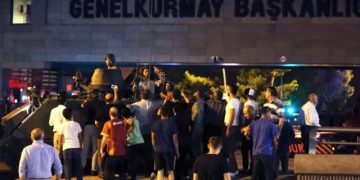
Tatlıdede has been presented in official and pro-government accounts as a civilian wounded near the Turkish General Staff headquarters in Ankara on the night of July 15, 2016.
In Turkey, the term gazi, often translated as “veteran,” is also used for civilians wounded while resisting the coup attempt, not only for former military personnel.
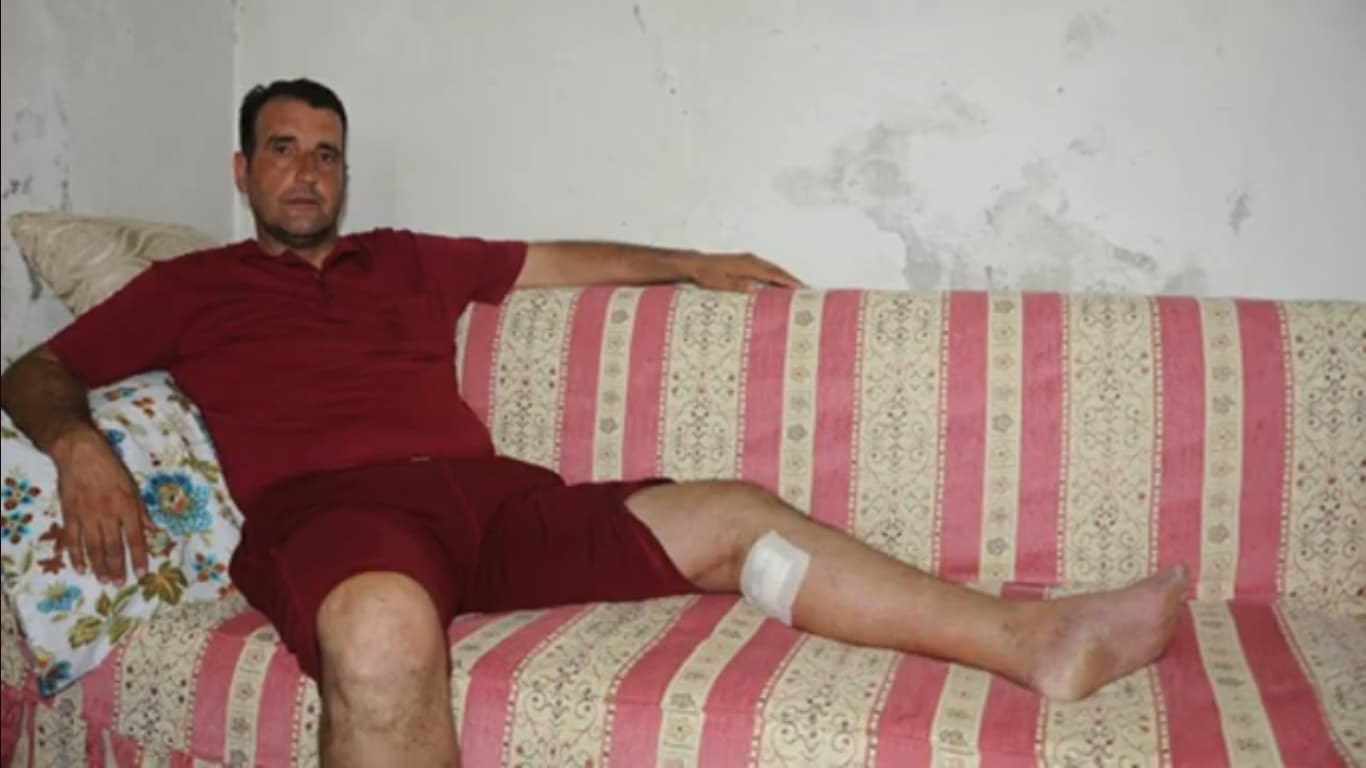
In an August 2016 interview with Turkey’s state-run Anadolu news agency, Tatlıdede said he was shot in the foot and that “30 to 40 shrapnel fragments” hit the left side of his waist near the General Staff headquarters. He also said two bullet fragments remained in his foot and called for the death penalty for the soldiers accused in July 15 cases.
In a later Anadolu report from the General Staff trial, Tatlıdede was again described as a July 15 veteran. The report said he told the court he had been wounded in his left foot and wanted to join the case as a complainant against the defendants.
Adıgüzel said in a YouTube video that those public statements conflict with medical records and court findings.
He argued that the documents do not corroborate Tatlıdede’s claim that dozens of shrapnel fragments struck his waist and said the case illustrates broader problems in the official July 15 narrative, in which some accounts of civilian heroism were accepted without sufficient scrutiny.
The claim is significant because July 15 veteran status carries symbolic, legal and political weight in Turkey. People recognized as wounded during the coup attempt have been featured in state ceremonies, court cases and government-backed commemorations.
Tatlıdede’s name also appears on a public list of July 15 veterans published by Ankara University’s “July 15: Victory of the National Will” memorial project.
Adıgüzel’s criticism focuses on the gap between three records: Tatlıdede’s media statements, his statements in court and the medical documentation that Adıgüzel says fails to confirm the scale or nature of the injuries described.
Reports by opposition outlets summarizing Adıgüzel’s video said he also argued that soldiers Tatlıdede had accused in the General Staff case were later acquitted, further weakening the public narrative built around his account.
The dispute is part of a wider effort by Adıgüzel and other critics of Ankara’s official July 15 account to re-examine deaths, injuries and prosecutions from the night of the coup attempt.
They argue that some court files, autopsy reports, hospital records and video evidence contradict public narratives promoted by the government and pro-government media.