

Newly circulated footage from Turkey’s July 15, 2016 coup attempt has revived questions about how military students were sent to the Bosphorus Bridge in İstanbul, where they were surrounded by crowds and later prosecuted as coup participants.
The images show buses carrying military students blocked on the bridge as a crowd gathers around them. Some vehicles are seen burning, while the students remain trapped in the middle of the confrontation.
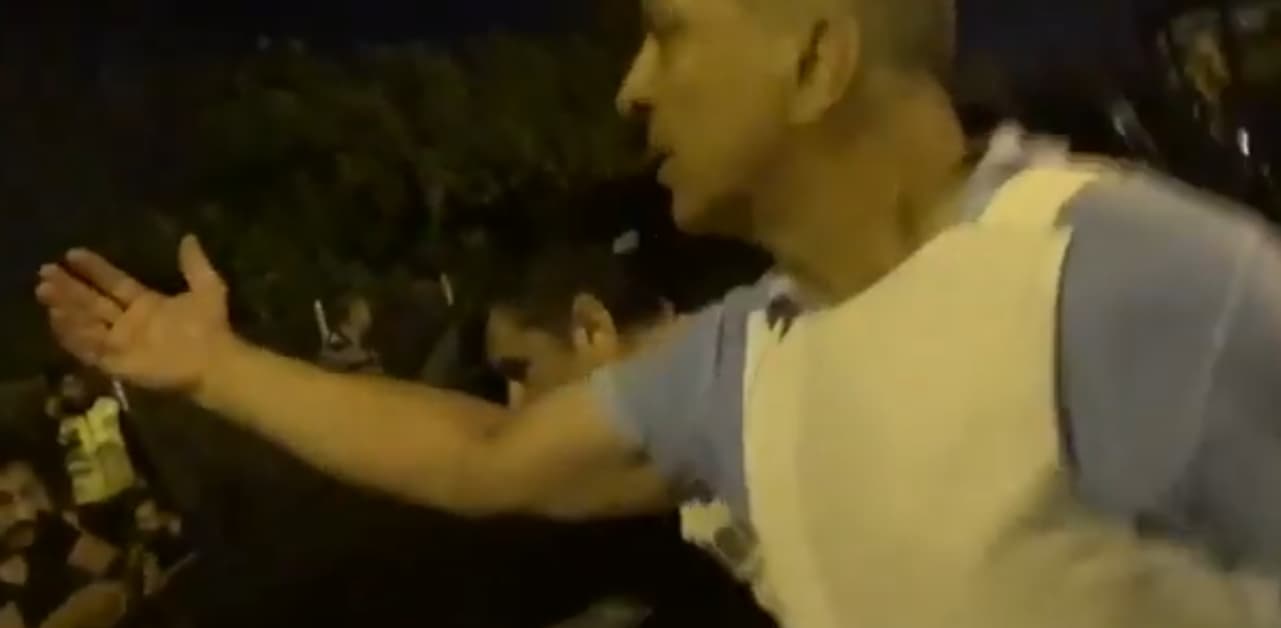
The footage has drawn renewed attention because a man wearing what appears to be a white ballistic vest is visible near the scene. Social media users have identified him as Yavuz Türkgenci, then a major general who was later promoted to lieutenant general.
The identification has not been established by a court in connection with the footage.
But Türkgenci’s presence on the bridge that night has appeared in earlier public accounts. Former İstanbul police chief Mustafa Çalışkan described meeting Türkgenci on the Bosphorus Bridge on July 15 and called him a “heroic commander,” according to Aydınlık. Çalışkan also said an officer was sent to Topkule Barracks on Türkgenci’s instruction.
The footage has become part of a wider debate over the fate of military students who were taken from training camps or military schools on the night of the coup attempt and later accused of participating in it.
Families of the students have argued for years that the cadets were acting under orders, were not told they were being sent into a coup attempt and had no authority to decide where they were taken.
Two Air Force Academy students, Murat Tekin and Ragıp Enes Katran, were killed on the Bosphorus Bridge that night. Rights-oriented accounts say both had been taken from their camp in Yalova to İstanbul with other cadets before they were surrounded by crowds on the bridge.
A 2020 report by 15 Temmuz Gerçekleri, citing footage shared by Tekin’s sister, said the students did not leave the bus on their own but were forced out by the crowd after the vehicle was surrounded. The report said the images showed police using water cannon and pepper spray at points but failing to prevent the students from being pulled from the bus.
The central question raised by the new footage is not whether the students were present on the bridge. That has long been known.
The question is who ordered them there, who controlled the scene after they arrived and why young cadets became the face of a coup case while senior figures seen or named around the bridge were not subjected to the same scrutiny.
The white-vest detail matters because critics of Ankara’s official account have argued that several people in visible protective gear appeared at key locations on July 15. They say those images raise questions about coordination and prior knowledge, though the claims remain contested and have not been tested in an independent proceeding.
For the military students and their families, the footage reinforces a narrower point: the students were transported into a confrontation they did not control, then treated in court as if they had planned it.
Several military student cases later came under renewed legal scrutiny. In 2022, the Supreme Court of Appeals overturned life sentences for some Air Force Academy students in separate proceedings, leading to releases in some files.
The bridge footage therefore adds to one of the most persistent unresolved questions in Turkey’s post-coup trials: whether courts adequately distinguished between commanders who gave orders and students who followed them without knowing where the chain of command was taking them.