

Selçuk Adıgüzel, coordinator of the Platform for Investigating July 15 Deaths, has claimed that armed civilians, organized crime groups and informal security-linked networks played a central role in creating chaos on the streets during Turkey’s July 15, 2016 coup attempt.
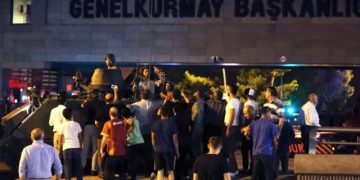
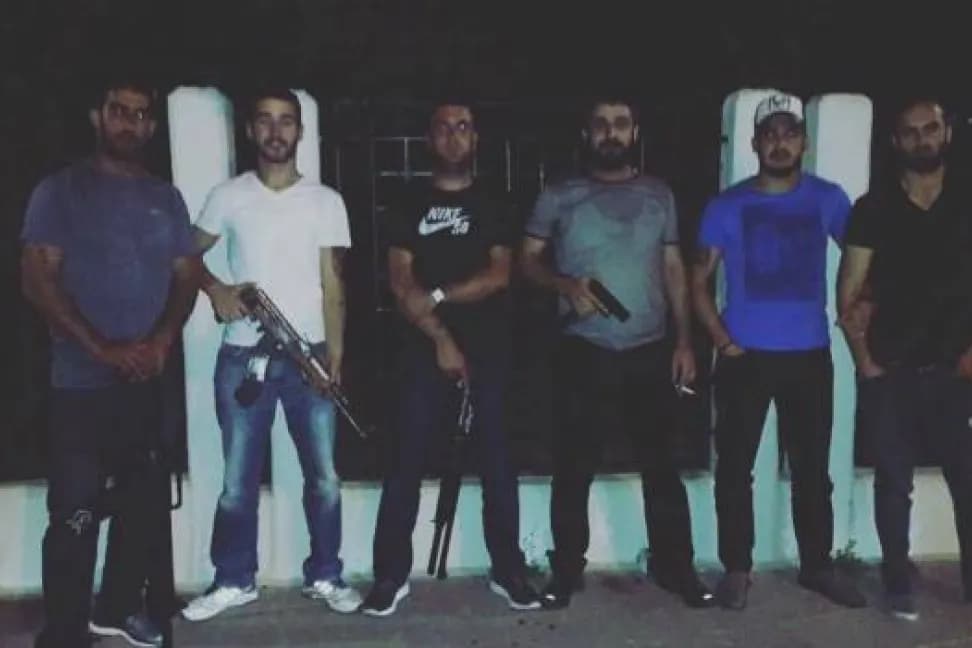
In a video published on YouTube, Adıgüzel said footage from Ankara and İstanbul showed civilians carrying long-barreled weapons at critical locations, including scenes in which armed civilians appeared alongside special operations police.
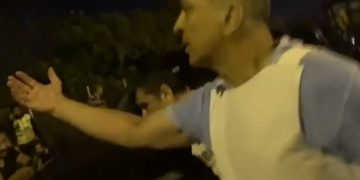
He also presented footage of Sedat Peker, a convicted Turkish organized crime figure, speaking to armed groups on the night of the coup attempt and allegedly instructing them to shoot.
Adıgüzel argued that the footage challenges the official narrative that the night was defined simply by unarmed civilians resisting coup troops.
Instead, he said, the images point to the involvement of armed non-state actors, crime networks and intelligence-linked structures in the street mobilization that followed President Recep Tayyip Erdoğan’s call for people to confront the coup attempt.
The claim is significant because Turkey’s official account presents the defeat of the coup attempt as a popular civilian resistance against a faction within the military.
Adıgüzel argues that this account leaves out armed groups whose role, chain of command and legal status have never been adequately investigated.
“If this had been a genuine coup attempt, the police force and the remaining soldiers would have been sufficient to resist the very small number of troops involved, even according to the administration’s own assessments,” Adıgüzel said.
He claimed police did not follow ordinary legal procedures for responding to crime and instead allowed conditions that deepened public disorder.
“The police did not follow legal procedures for resisting crime and practically forced conditions to create chaos,” he said.
Adıgüzel further alleged that “shadowy structures such as terror group affiliates, the mafia and intelligence apparatuses carried out the real coup that established today’s ruling power.”
His allegations are part of a wider counter-narrative that questions how armed civilians appeared on the streets, who supplied them with weapons and why their actions were not subjected to the same scrutiny as those of cadets, conscripts and lower-ranking soldiers prosecuted after the coup attempt.
The issue of armed civilians has long been one of the unresolved questions surrounding the coup attempt.
In 2021, Peker alleged that unregistered weapons were distributed to civilians during and after the coup attempt under the coordination of then-minister Süleyman Soylu, who later became interior minister. Peker’s claims triggered renewed public debate over so-called “missing weapons” from the night of the coup attempt.
Soylu denied ordering any weapons distribution and said only a limited number of weapons had gone missing. In a later account of the night, however, he said weapons were distributed in front of the Ankara police headquarters and added that if he had had the ability, he would have given weapons to all those people.
Former İstanbul Justice and Development Party provincial chairman Selim Temurci also said in 2022 that he had learned some operations had been carried out “through the back door” without the knowledge of the party’s İstanbul organization, remarks widely reported as lending partial support to claims of irregular activity around weapons distribution.
Adıgüzel said the footage he reviewed shows that the presence of armed civilian groups was not incidental but part of a larger pattern.
He said mafia-linked groups in Ankara and İstanbul were among the actors that helped shape the street environment on the night of the coup attempt.