


A lawyer for President Recep Tayyip Erdoğan filed a motion asking an İstanbul court to review the files of military school students who received aggravated life sentences over Turkey’s July 15, 2016 coup attempt, HDP lawmaker Ömer Faruk Gergerlioğlu said.
Gergerlioğlu said Ahmet Özel, Erdoğan’s lawyer, submitted the request to the İstanbul 2nd Criminal Judgeship of Peace for students from the Air Force Academy, Warrant Officer Vocational College and Army Academy.
The request concerned 259 Air Force Academy students, 26 Warrant Officer Vocational College students and 70 Army Academy students who had received aggravated life sentences, according to Gergerlioğlu.
The students have been imprisoned since 2016.
Their families have long argued that the students did not take part in a coup attempt and did not even carry weapons on the night of July 15.
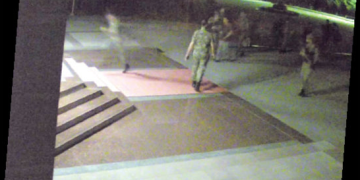
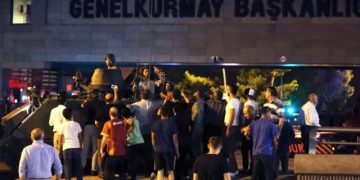
The military student cases became one of the most disputed parts of Turkey’s post-coup trials. Families and rights advocates said many students were following orders from commanders, were told they were being taken to a drill or security assignment and had no knowledge of a coup attempt.
The Air Force Academy cases drew public attention because many of the students were between 18 and 20 years old when they were detained. Social media campaigns by families and supporters of 259 Air Force Academy students serving life sentences sought to raise awareness about their plight.
Earlier court decisions had already produced heavy sentences for former military students. In January 2020, for example, a court sentenced 70 former Air Force Academy students to life in prison in a case linked to the coup attempt.
Gergerlioğlu, a lawmaker from the Peoples’ Democratic Party (HDP) known for raising rights violations in post-coup cases, announced the filing as a development that could bring renewed scrutiny to the students’ convictions.
The motion by Erdoğan’s lawyer was significant because Erdoğan was treated as an injured party in many coup-related proceedings, while the students’ families had been calling for a review of what they described as unjust convictions.
The families say their children were punished as if they had planned or directed a coup, even though they were students under military command.
They argue that the courts failed to distinguish between commanders who issued orders and young cadets who obeyed them without knowing the purpose.
The request for a review placed those claims back before the judiciary four years after the students were first imprisoned.