

A paper published by 15 Temmuz Gerçekleri website argues that Turkey’s emergency-rule system after the July 15, 2016 coup attempt used legal, administrative, economic and social measures to destroy the lives of targeted citizens and their relatives.
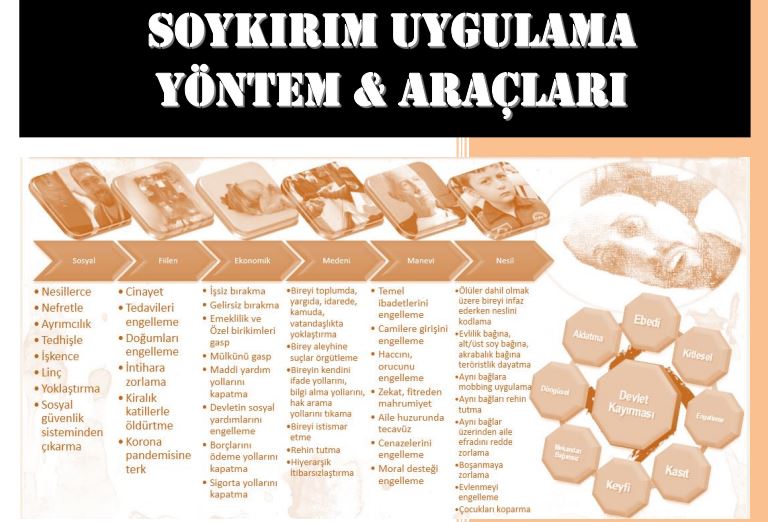
The study, prepared by Hüseyin Demirtaş, is titled Methods and tools of genocide under the July 20, 2016 state of emergency regime. It examines the state of emergency declared five days after the coup attempt and describes the purge that followed as a system of “social death,” rather than a set of ordinary dismissals or criminal investigations.
Demirtaş argues that emergency decrees, blacklists, criminal investigations, asset seizures, job bans, social security restrictions, travel limits and public stigmatization worked together to push targeted people out of public life.
The paper says the measures did not affect only dismissed public employees or those prosecuted after July 15, but also their spouses, children, parents and relatives.
It groups the alleged methods under several categories, including social, physical, economic, civil, moral and intergenerational harm.
The study also focuses on FETÖMETRE, a scoring system developed within the Turkish military to identify alleged Gülen movement links. Demirtaş describes it as one of the tools used to blacklist people through family ties, social environment, past associations and other criteria.
Ankara designates the Gülen movement, a transnational civic initiative inspired by Islamic scholar Fethullah Gülen, as a terrorist organization and blames it for Turkey’s 2016 coup attempt. The movement denies involvement in the coup or any terrorist activity.
The paper’s central claim is that the post-coup purge should be understood as a system that made people unable to work, seek justice, maintain social ties, access rights or live with dignity.
It compares Turkey’s emergency-rule practices with concepts from genocide studies, including classification, stigmatization, persecution, social death and denial.
The paper presents its argument in broad terms and uses the word “genocide” as a legal and political accusation against the post-July 20 emergency regime. The claim has not been adjudicated by an international court.
The study adds to a body of writing on 15 Temmuz Gerçekleri that challenges Ankara’s official account of July 15 and portrays the state of emergency as the start of a broader system of punishment against critics, dismissed public servants, military personnel, families and people accused of links to the Gülen movement.