
Four previously unpublished photographs have raised new questions about the killing of Erol Olçok, the political advertising strategist who helped build Recep Tayyip Erdoğan’s public image before dying with his teenage son during Turkey’s July 15, 2016 coup attempt.
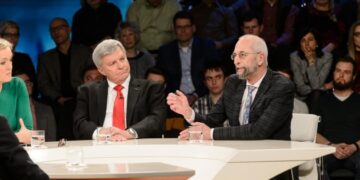
The photographs show Olçok in close conversation with former President Abdullah Gül, whose relationship with Erdoğan had deteriorated as Erdoğan concentrated power around himself.
They were released five years after the coup attempt by Mehmet Demirci, a photographer who had worked with Gül.
Journalist Cevheri Güven argues that the images document an important political shift before July 15. Although Olçok was publicly known as Erdoğan’s advertising strategist, Güven says he had moved closer to Gül’s camp as divisions deepened among the founders of the ruling Justice and Development Party.
Olçok had worked with Erdoğan since his years as İstanbul mayor and was behind election campaigns, slogans and political messaging that helped carry the AKP to power.
His knowledge extended beyond advertising. He knew the party’s internal structure, financial networks, political relationships and the strengths and weaknesses of Erdoğan’s public image.
Güven argues that an experienced strategist with this knowledge could have played a central role in any conservative political movement built around Gül and other AKP founders who had become estranged from Erdoğan.
The photographs therefore challenge the image of Olçok as an unquestioning member of Erdoğan’s inner circle until his death.
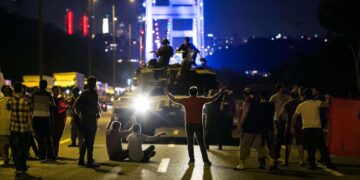
Olçok and his 16-year-old son, Abdullah Tayyip, went to the Bosphorus Bridge during the coup attempt and were killed by gunfire.
The government incorporated their deaths into its account of civilians resisting coup soldiers. Yet questions about who fired the fatal bullets, why Olçok went to the bridge and whether he and his son were specifically targeted have continued.
Nihal Olçok, Erol Olçok’s former wife and Abdullah Tayyip’s mother, later said she believed her son had been deliberately killed and repeatedly questioned the official account of the deaths.
The newly released photographs do not identify the gunman, but they reveal a political relationship that had received little attention.
Güven argues that Olçok’s closeness to Gül placed him on the wrong side of the struggle inside Turkey’s ruling elite and gave powerful figures an interest in ensuring that he could never disclose what he knew or use his expertise against Erdoğan.
The photographs sharpen a question that the coup trials failed to answer:
Was Erol Olçok merely one of the civilians killed on the bridge, or was one of the architects of Erdoğan’s rise deliberately removed during the chaos of July 15?