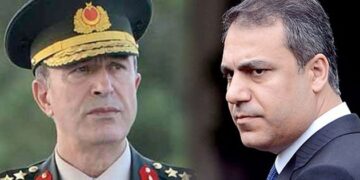



Following his previous articles questioning the role of intelligence chief Hakan Fidan, Selvi penned a new piece focusing on Akar. While expressing support for Akar, Selvi highlighted testimonies suggesting Akar’s position that night may have been more ambiguous than officially presented, asking what this implies about the military’s top commander.
WAS HE A CAPTIVE COMMANDER OR STILL IN CHARGE?
Selvi drew attention to the testimonies of former General Akın Öztürk, who described Akar’s situation at the base: “I absolutely saw no disrespectful attitude toward him. All his orders were followed. He was treated exactly as a commander should be, just like before. He had the opportunity to make phone calls whenever he wanted.”
Was Akar a captive Chief of General Staff there, or a commander whose orders were still being obeyed?
Selvi notes that while the official narrative states Akar’s phones were unreachable, Öztürk’s court testimony contradicts this. When the presiding judge asked if Akar could meet or speak with anyone he wanted, Öztürk replied, “Of course he could. The phone was right in front of him. If he had asked me to call the President, I would have done it.”
Furthermore, another officer, Mehmet Dişli, testified that Akar sent a message to the putschists through him, allegedly saying: “Tell them this is getting out of my control. If the military stops this under my orders, the outcome will be different. Let them allow me to speak with the President and the Prime Minister to stop this. I can convince them; this is the last chance.”
These conflicting accounts highlighted by a pro-government columnist continue to fuel debates over the unresolved details of the coup attempt.