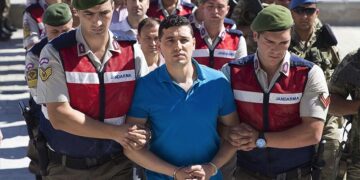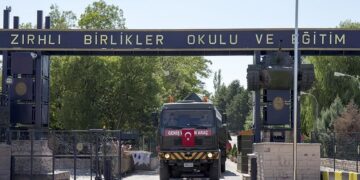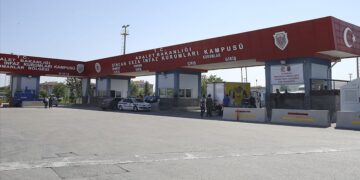



The indictment portrays the Army Aviation Command’s Güvercinlik base in Ankara as a center of the July 15, 2016 coup attempt and accuses 155 military personnel of belonging to a single conspiracy.
The case includes serious allegations against some commanders and pilots, including taking control of the base, detaining senior officers, transporting captives to Akıncı Air Base, arming helicopters and firing on civilians, police and state institutions. Prosecutors cite flight records, radio communications, security camera footage, telephone data, ammunition movements and witness statements.
Yet the indictment then stretches evidence of direct violence into collective guilt against technicians, guards, trainees and lower-ranking personnel whose conduct was not the same.
The document acknowledges that some personnel were told an exercise was underway, that a terrorist attack had occurred or that they were acting under orders from the General Staff. Others said they learned of the coup only after being sent to aircraft, guard posts or command centers.
Prosecutors dismiss these defenses by arguing that trained soldiers should have recognized that the orders were unusual. This replaces proof of individual knowledge with hindsight. Instead of showing what each defendant knew when an order was given, the indictment often assumes that anyone who obeyed must have understood the wider plan.
Presence at the base, telephone signals, participation in a WhatsApp group, family members’ accounts at Bank Asya and previous contact with people accused of Gülen links are also used to reinforce claims of criminal intent, even when they do not establish knowledge of a coup plan.
A long account of the Gülen movement’s alleged structure appears before the individual cases. This allows the prosecution to begin with the conclusion that a hidden organization directed every action and then interpret ordinary military duties, personal relationships and obedience to superior officers as evidence supporting that conclusion.
Read against Ankara’s narrative, the indictment describes several different groups that should have been assessed separately: alleged planners, pilots accused of attacks, personnel who knowingly supported them, soldiers misled about their mission and people who were merely present or obeyed commands.
By placing all of them within one organizational story, the prosecution uses the proven or alleged actions of a smaller group to conceal the weakness of the evidence against many others.