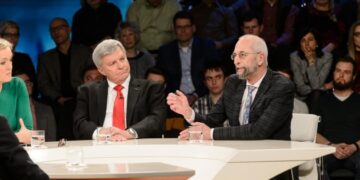


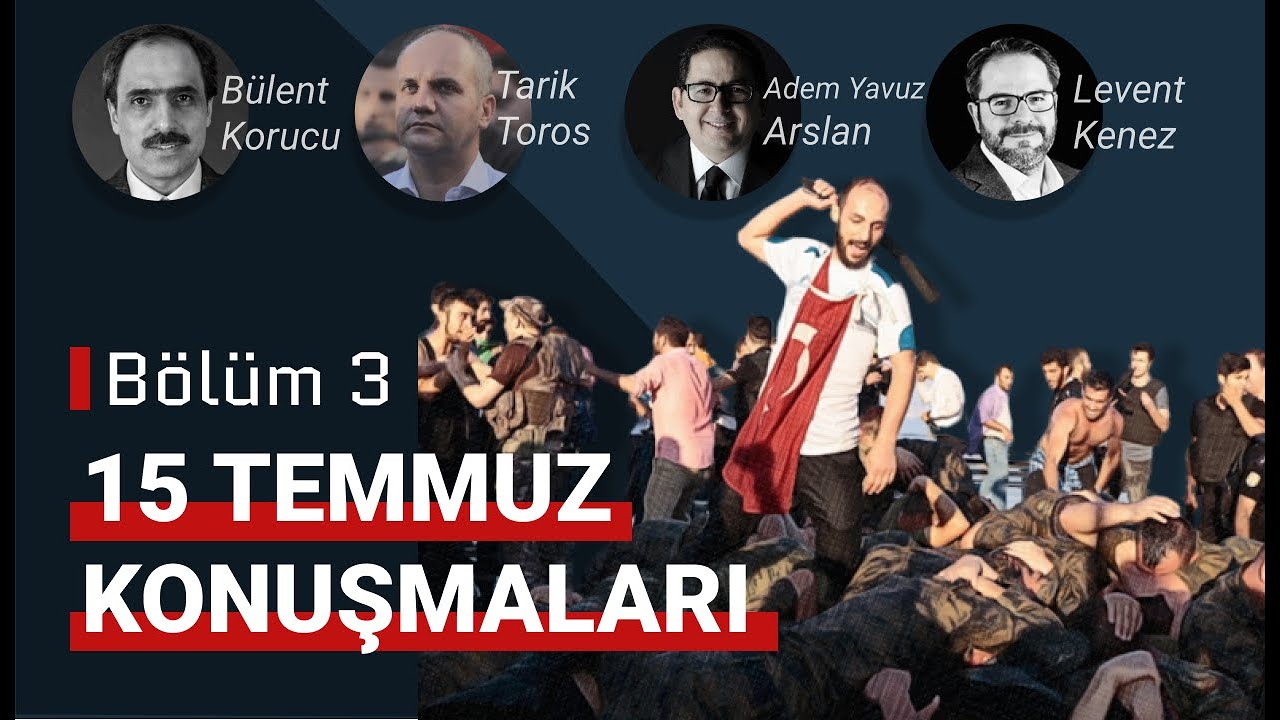
A TR724 panel broadcast on July 11, 2020, questioned key elements of Turkey’s official narrative of the July 15, 2016 coup attempt, focusing on İstanbul’s Bosporus Bridge, Akıncı Air Base, military cadets, civilian deaths and the gathering of senior generals at a wedding that night.
The episode’s central question was whether a real military coup could begin by closing only one direction of the Bosporus Bridge, now officially called the July 15 Martyrs Bridge, in İstanbul. The panel argued that the bridge scene was one of the most powerful images used to frame the night as a coup attempt, but also one of the areas where the official account left major questions unanswered.
Ankara blames the coup attempt on the Gülen movement, a transnational civic initiative inspired by Islamic scholar Fethullah Gülen, and designates the movement as a terrorist organization. The movement denies involvement.
Bridge scene questioned
The program asked why soldiers were sent to the Bosporus Bridge in a way that blocked one direction of traffic rather than taking control of strategic points in a manner consistent with a conventional coup plan.
The speakers suggested that the bridge deployment appeared designed more to create a dramatic public image than to secure military control of İstanbul.
The panel also discussed claims involving a possible sniper scenario on the bridge and asked why that alleged setup was later abandoned or not fully pursued. It said questions raised by former Republican People’s Party (CHP) lawmaker Mustafa Akaydın caused panic because they pointed to unresolved issues about who fired at civilians and soldiers during the bridge events.
The program asked who killed military cadets and conscripts, who fired on civilians and why the deaths on and around the bridge were not investigated with sufficient independence and forensic depth.
Military cadets and conscripts
The episode placed special emphasis on the fate of young soldiers, cadets and conscripts who were sent into chaotic situations without full knowledge of what was happening.
The panel said many of these young men were later treated as coup participants even though they had followed orders, lacked operational authority and in some cases were themselves beaten, lynched or killed.
The speakers argued that the legal process failed to distinguish between commanders, armed actors with decision-making power and young personnel caught in events beyond their control.
Akıncı Air Base and the question of command
The program also examined activity at Akıncı Air Base, which prosecutors later described as the command center of the coup attempt.
The panel asked why Akıncı was central to the official narrative instead of Eskişehir, where Turkey’s air operations command structure would normally have been more relevant in a genuine air-centered coup.
The speakers said this question matters because Akıncı’s role appeared, in their view, to fit a scenario designed to create the image of a coup headquarters without giving the alleged putschists the operational capacity normally required to control Turkish airspace.
The panel also discussed claims about unidentified pilots and unusual movements at the base, saying these issues required a more serious investigation than the courts and prosecutors provided.
Disputed statement about Gülen
The program addressed the claim that some officers or civilians at Akıncı tried to connect participants with Fethullah Gülen by phone or video call.
The panel questioned who inserted such an allegation into an official statement record and whether the claim reflected a genuine event or an attempt to strengthen the official narrative tying the coup attempt to the Gülen movement.
The speakers argued that such allegations became politically central because they helped connect Akıncı Air Base, civilian suspects and the government’s broader case against the movement.
Wedding attended by generals
Another major topic was the wedding in İstanbul attended by 29 generals on the night of July 15.
The panel asked whether the presence of so many senior officers at one social event was a coincidence or part of a wider pattern that removed key commanders from their posts at a critical moment.
The speakers said the wedding deserved more scrutiny because it affected where senior military figures were located when the coup attempt began and shaped how command decisions unfolded during the night.
Panel says unanswered questions remain central
The TR724 panel argued that the bridge, Akıncı Air Base and the generals’ wedding all point to a larger problem: The official story depends on dramatic images and selected evidence, while many forensic, operational and chronological questions remain unresolved.
The speakers said the public still lacks clear answers about who fired at whom, why some evidence was not fully examined, why some scenarios changed and why young soldiers were punished heavily while many senior actors avoided meaningful questioning.
The video below presents the third episode of TR724’s July 15 Talks, focusing on the Bosporus Bridge, Akıncı Air Base, sniper claims, military cadets, civilian deaths and the gathering of senior generals at a wedding on the night of the coup attempt.