

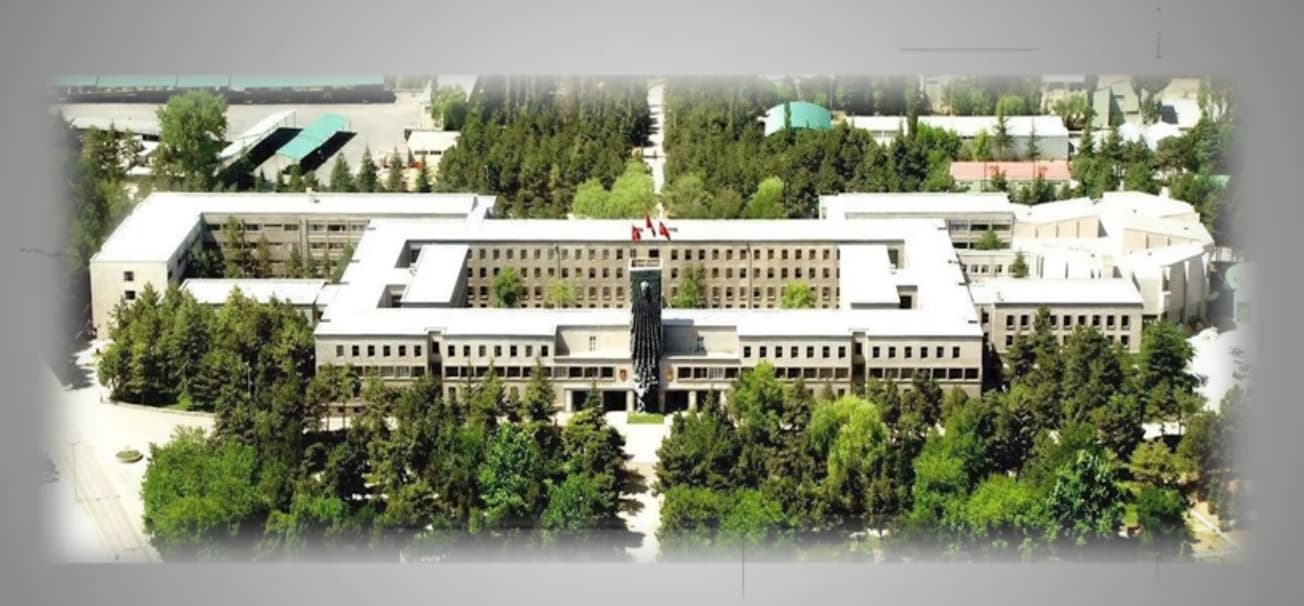
Former faculty officers at Turkey’s principal army academy say commanders ordered them back to campus during the July 15, 2016 coup attempt, then authorities treated their compliance with that order as evidence of participation in the attempted overthrow, according to a documentary.
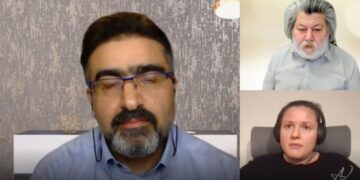
The 2025 documentary, Son Ders: Kara Harp Okulu Belgeseli (The Last Lesson: Turkish Military Academy Documentary), brings together testimony from former instructors at the Turkish Military Academy in Ankara, known in Turkish as Kara Harp Okulu. It also presents courtroom video, messages and case documents that the speakers say contradict key accusations against them.
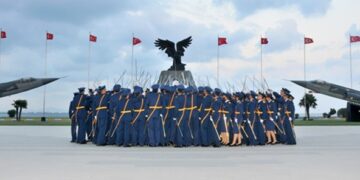
The former officers describe an institution whose teaching staff combined military duties with university-level academic work. Several said they had completed graduate study abroad as part of a program to strengthen the academy’s academic capacity before returning to teach future army officers.
They said conditions changed after a new command took over. Faculty members were subjected to stricter inspections, required to wear camouflage more frequently and ordered to take part in additional weapons training and weekend marches. Some speakers also alleged that intelligence personnel at the academy prepared profiling lists in the months before the coup attempt.
On July 15, the academy was conducting routine admissions work for prospective students, according to the documentary. Faculty members finished their assignments and went home. Later that night, a message in an internal WhatsApp group ordered personnel to return to the school urgently and safely.
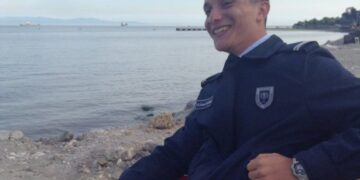
Former First Lt. Yunus Emre Yavuz gave a similar account during the academy trial in November 2017. He told the Ankara 24th High Criminal Court that a message sent at about 11:30 p.m. instructed foreign-languages personnel to report to the academy. He said he complied because it was an official order.
The documentary’s speakers said they entered through the normal gate, changed into camouflage and waited in offices or common areas as fighter jets flew over Ankara and explosions shook the city. They said commanders told them to remain inside for their safety and not to take part in events outside the compound.
At about 3 a.m., according to their accounts, personnel were told to collect unloaded HK-33 rifles to secure the barracks. The weapons’ serial numbers were recorded. The instructors said they never left the academy with the rifles and returned them the next morning before being allowed to go home.
The documentary argues that prosecutors later mischaracterized those events. The speakers said the indictment portrayed the rifles as untraceable weapons handed out at random and treated the faculty members’ presence in uniform as evidence of coup activity. They said message timestamps and weapons records supported their account that they had responded to a command order and remained on campus.
The former instructors also described a second summons after the coup attempt, when they were called back to provide written accounts and continue admissions work. Days later, they said, personnel were ordered to assemble again and were detained.
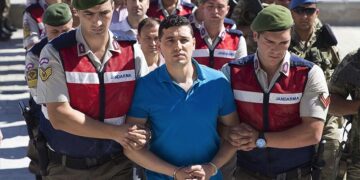
Several participants alleged that police beat, threatened and humiliated detainees after transporting them to a detention facility in Sincan, outside Ankara. They described overcrowding, bound hands, denial of food and water and threats against family members. One speaker said he saw detainees with swollen faces, bloodied injuries and damaged hands.
Those accounts are allegations by the documentary’s participants. They are consistent with contemporaneous findings by Amnesty International and Human Rights Watch, which documented credible reports of beatings, stress positions, deprivation of food, water and medical care and other abuse in Turkish detention facilities after the coup attempt.
The academy case expanded from 239 defendants to 307 after related files were combined. In June 2019, the Ankara 24th High Criminal Court imposed aggravated life sentences on 19 defendants, including former academy dean Brig. Gen. Kerim Acar, and life sentences on 28 others. The court acquitted dozens of defendants and declined to punish 45 cadets after finding that they had acted under an unavoidable mistake.
The documentary’s focus is the faculty officers who say prosecutors failed to distinguish compliance with routine military orders from intentional participation in a coup.
The Turkish government reorganized military education after the attempted coup. Emergency Decree No. 669 closed the existing war colleges and military high schools and created the National Defense University, under which the Turkish Military Academy later resumed operation.