

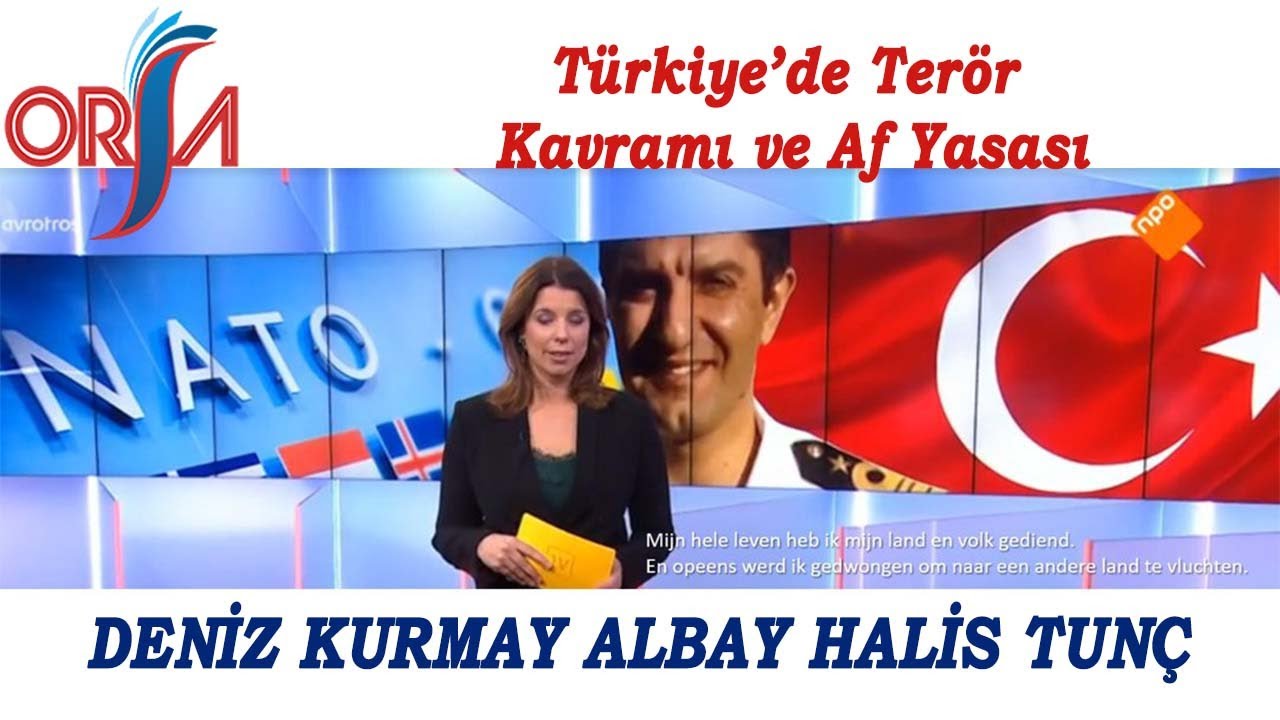
The program, titled “The concept of terrorism in Turkey and the amnesty law,” aired on March 27, 2020, as the coronavirus was spreading rapidly across the world and governments were releasing detainees or reducing prison populations to protect public health.
The broadcast said countries including Iran, Bahrain, Germany and the United States had released tens of thousands of prisoners because they could not guarantee their safety in detention during the pandemic.
According to Justice Ministry figures cited in the program, Turkey had 294,000 people in 355 prisons at the time. That number included 11,000 women, 3,100 children who were convicted or in pretrial detention, 780 children staying in prison with their mothers and 1,333 sick prisoners, 457 of them seriously ill.
The program said the risk group reached about 450,000 people when 150,000 prison staff and other public employees working in the system were included.
It described prisons as among the least hygienic places in the country, saying some wards held three or four times their intended capacity. Shared areas were overcrowded, poorly ventilated and lacked adequate hygiene, while access to hot water, cleaning supplies, disinfectants and necessary medical care was severely limited, the program said.
Program questions exclusion of terrorism prisoners
The program said the proposed judicial package did not include people convicted of or charged with terrorism offenses, even though Turkey lacks a widely agreed definition of who should be considered a terrorist.
It said the common features generally associated with terrorism are violence, weapons, action and fear.
The program then asked how many people in Turkey, out of a population of 80 million, genuinely feared armed violence from those currently imprisoned on terrorism charges, including soldiers.
It argued that many people now accused of terrorism had previously been kept in public service despite their names appearing on official lists or despite pending investigations against them.
Some were sent to the front line in Turkey’s military operations in Syria and arrested only after returning, the program said. Others were assigned to North Atlantic Treaty Organization (NATO) duties and detained after coming back. Hundreds of soldiers with pending cases were still serving in conflict zones in eastern Turkey, it added.
The program also said hundreds of soldiers with pending cases were serving on ships in NATO, United Nations and national missions, waiting to be branded terrorists. It said the same applied to pilots, aircraft maintenance personnel, coast guard members, gendarmerie officers and police officers who were still armed and performing duties to protect Turkey’s security, public order, rights and interests.
‘The greatest rights violation history may ever see’
The broadcast argued that calling such people terrorists while they continued to serve the state and public was one of the gravest rights violations imaginable.
It noted that hundreds of prosecutors, soldiers and police officers had previously received protection because they were on death lists of organizations such as the Kurdistan Workers’ Party (PKK) and the Revolutionary People’s Liberation Party-Front (DHKP-C). Yet after about 40,000 professional soldiers and 200,000 public servants were labeled terrorists, not a single person was placed under protection on the grounds that they posed a threat, the program said.
The program contrasted armed groups that illegally obtain weapons and use them against the country with police officers and soldiers who were issued weapons by the state and used them in state service until they were dismissed.
“Terrorists obtain weapons illegally and use them against their country and nation,” the program said. “Yet nearly 100,000 police officers and soldiers declared terrorists used the weapons entrusted to them by the state to protect their country and nation, and when they were declared terrorists, they returned those weapons to the state.”
The speaker said he and his former comrades had all returned the weapons entrusted to them by the state.
“This fact alone makes the forced claim of an armed terrorist organization look ridiculous,” he said.
COVID-19 risk in prisons
The program concluded that people forced into the terrorism category were being separated from other prisoners and left exposed to the deadly threat of COVID-19 in overcrowded prisons.
It argued that the exclusion suggested an intention to leave them vulnerable to mass death rather than to protect public health equally.
The video below presents ORSA TV’s first broadcast on Turkey’s terrorism laws, the proposed prison release measure and the risks facing prisoners during the coronavirus pandemic.