


Ankara prosecutors have sought prison sentences of up to 22 and a half years for 731 people in a case alleging that police officers were profiled through coded records linked to the Gülen movement, while also seizing company assets, apartments and cash tied to the investigation.
The indictment was prepared by Serhat Özveren, a prosecutor in the Ankara bureau responsible for crimes against the constitutional order.
It alleges that people linked to the Gülen movement maintained records on police officers, supervisors and senior police officials in Ankara by using various codes.
The indictment seeks prison terms of 15 to 22 and a half years for the defendants on charges of leading an armed terrorist organization.
The allegations have not yet been tested in court.
As part of the investigation, authorities seized assets belonging to eight companies alleged to have links to the movement, along with 55 apartments connected to those companies and approximately $600,000 in cash.
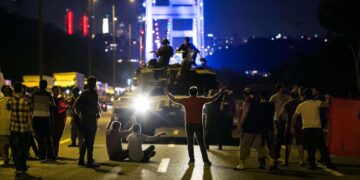
The case is one of the largest police-related prosecutions opened after Turkey’s July 15, 2016 coup attempt and reflects the government’s widening use of alleged affiliation records, coded lists and institutional profiling claims in cases targeting the Gülen movement.
The Gülen movement is a transnational civic initiative inspired by Islamic scholar Fethullah Gülen.
Ankara designates the movement as a terrorist organization and blames it for the coup attempt. The movement denies involvement in the coup attempt or any terrorist activity.
The indictment presents the alleged police profiling as evidence of an organized structure inside the security bureaucracy.
Defense lawyers and critics of the post-coup crackdown have argued in similar cases that prosecutors often treat alleged association, employment history, social ties or entries in disputed records as evidence of terrorism without proving individualized criminal acts.
The seizure of companies, apartments and cash also points to the financial dimension of the crackdown.
Since the coup attempt, Turkish authorities have used emergency powers and criminal investigations to take over or confiscate businesses accused of links to the movement, often before courts have ruled on the underlying allegations.