

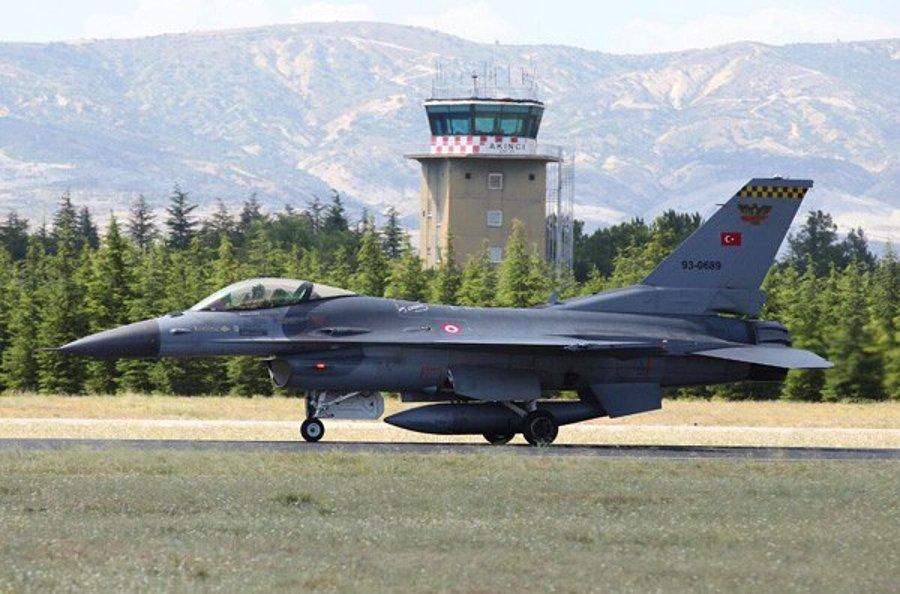
Journalist Adem Yavuz Arslan has presented court records that he says show extensive interference with the radio archive from Akıncı Air Base, the site Ankara portrayed as the command center of Turkey’s July 15, 2016 coup attempt.
The recordings were stored in a system known as Duman and included communications between the Akıncı control tower, operations personnel and pilots flying over Ankara.
These communications became central evidence in the prosecution of pilots and officers accused of bombing parliament, police facilities and other locations.
Arslan said records submitted to the court showed that files in the Duman archive had been changed, duplicated or assigned conflicting information, destroying the reliability of one of the main pillars of the Akıncı case.
A forensic examination reviewed 7,678 recordings from July 15 and 16 and compared them with more than 3.8 million files stored in the system between January 2014 and July 18, 2016.
The examination found that some files attributed to different dates had identical cryptographic hash values, meaning their contents were exactly the same despite being listed as separate recordings.
Although the forensic report concluded that the audio files submitted for examination did not contain signs of montage, Arslan said this did not answer the central question.
The issue was not limited to whether individual conversations had been spliced together. It concerned whether recordings had been deleted, copied, renamed, assigned false dates or removed before the archive was delivered to investigators.
The experts could examine only the material they received. They could not verify the integrity of recordings that had already disappeared or determine whether the archive still reflected what the system originally recorded.
PILOT SHOWN ON GROUND AND IN AIR AT THE SAME TIME
Arslan also pointed to a contradiction in the prosecutor’s final opinion involving a pilot accused of bombing parliament.
According to the prosecution’s own timeline, the pilot appeared to be on the ground at Akıncı while also being placed in an aircraft over Ankara.
The same person could not have been inside the base and flying a combat mission at the same time.
Arslan said the contradiction showed that prosecutors assembled their account from records that did not match one another, then ignored the resulting impossibilities.
The Duman archive should have provided an exact record of which aircraft communicated with the tower, who was flying and when each exchange occurred.
Instead, the court file contained duplicate files, disputed timestamps and a prosecution narrative placing an accused pilot in two locations simultaneously.
Despite these problems, the recordings were treated as evidence supporting sentences of aggravated life imprisonment.
Arslan said the destruction or alteration of the original archive prevented defendants from testing the government’s claims against a complete and reliable record.
The evidence that should have answered who flew each aircraft, who issued each order and which aircraft attacked each target was therefore turned into another unresolved part of July 15.