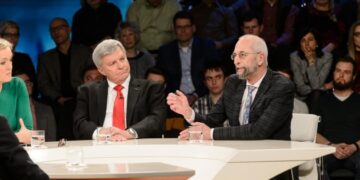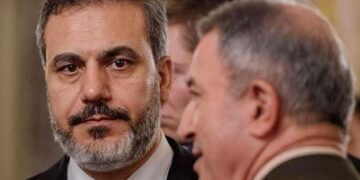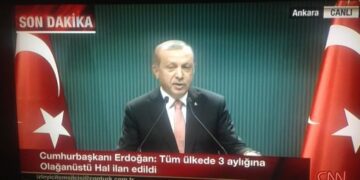


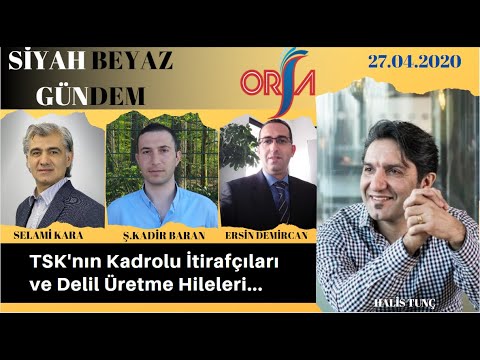
An ORSA TV program broadcast on April 27, 2020, examined claims that coerced confessions, regularized informants and evidence-production methods were used in trials and purges targeting members of the Turkish Armed Forces after Turkey’s July 15, 2016 coup attempt.
The episode focused on questions sent by viewers as well as broader allegations about the post-coup legal process, including torture, coerced testimony, informant networks, claims of cell structures, intelligence reports attributed to the General Staff and the Ministry of National Defense and pressure on institutions to carry out dismissals.
One of the main topics was the testimony of Levent Türkkan, aide-de-camp to then-Chief of General Staff Hulusi Akar. Türkkan’s confession became one of the most widely cited early pieces of evidence after the coup attempt, but critics have long argued that his statements were obtained under torture and later used to shape the official narrative.
The program also discussed what it described as “regular informants” within the military, including Navy Sgt. Hüseyin Gürler. The participants said such figures played a role in producing or supporting allegations against military personnel targeted after the coup attempt.
Another topic was the concept of “cell structures,” a phrase widely used in post-coup investigations to describe alleged clandestine organization inside the military. The program questioned how such claims were constructed and how they were used in judicial and administrative proceedings.
The episode also addressed what it called evidence-production techniques based on intelligence information said to come from the General Staff and the Ministry of National Defense. The participants argued that such information was used to build cases against soldiers and officers, often without sufficient scrutiny or legal safeguards.
Participants respond to viewers’ questions
The program opened by addressing viewer questions, including what the participants themselves had done during the purge process, whether their consciences were clear and why Şafak Kadir Baran had chosen to serve as a military judge in the Turkish Armed Forces.
Another viewer question concerned Rear Adm. Sinan Azmi Tosun, asking why he was arrested if, as the participants had previously argued, he had played an anti-coup role on the night of July 15.
ORSA TV said both sincere and hostile questions were valuable because they pushed the program to investigate further and seek new guests with direct knowledge of the issues under discussion.
Post-coup purge framed as ‘postmodern genocide’
The program placed the use of informants and alleged fabricated evidence within what it described as a “postmodern genocide” targeting members of the Turkish Armed Forces and their families.
That phrase reflected the program’s broader argument that the purge was not limited to legal action against individuals accused of involvement in the coup attempt, but extended to collective punishment, social destruction and long-term stigmatization of families.
The program also discussed alleged pressure by the Naval Forces Command on other institutions, including the Council of Judges and Prosecutors and government ministries, to carry out dismissals.
The episode presented the post-coup process as a coordinated system in which administrative bodies, military offices, prosecutors, courts and media narratives worked together to identify, stigmatize and remove targeted personnel.
Viewers were invited to submit further questions about the issues discussed and to share suggestions and criticism for the newly launched ORSA TV channel.
The video below presents the full discussion on coerced confessions, regular informants, alleged evidence production and the legal mechanisms used in Turkey’s post-coup military purge.