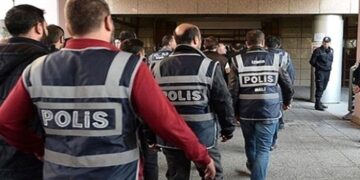



The Ankara Chief Public Prosecutor’s Office issued detention warrants for 85 people working at the Energy Ministry and the Education Ministry as part of post-coup investigations based on alleged use of ByLock.
The warrants targeted 60 public employees at the Energy Ministry and affiliated institutions, along with 25 teachers employed by the Education Ministry.
Detention procedures reportedly began in the morning.
Authorities alleged that those targeted had used ByLock, an encrypted messaging app that prosecutors treat as evidence of links to the Gülen movement.
Most of the individuals named in the warrants had already been dismissed from their jobs, although some active public employees were also reportedly among those targeted.
The Gülen movement is a transnational civic initiative inspired by Islamic scholar Fethullah Gülen.
Ankara designates the movement as a terrorist organization and blames it for Turkey’s July 15, 2016 coup attempt. The movement denies involvement in the coup attempt or any terrorist activity.
ByLock has become one of the most frequently cited grounds in investigations launched after the coup attempt.
Defense lawyers and rights advocates challenge its use as criminal evidence, arguing that alleged app-use records are often cited without showing message content, criminal conduct or any direct role in the coup attempt.
The warrants show that post-coup operations are continuing inside civilian ministries, with public employees targeted through a combination of emergency decree dismissals and later criminal investigations.